Travel Guide13 min read
Birding Tours in Kenya: Best Destinations | Samton Safaris
Explore Kenya’s top birding hotspots, from Rift Valley lakes to forest endemics, with custom guided safaris from Samton Safaris.
Admin
15 October 2026

Kenya is an exciting destination for birdwatching enthusiasts, nature lovers and photographers hoping to discover a remarkable variety of bird species. With more than 1,100 recorded bird species, the country offers opportunities to explore diverse habitats, from freshwater lakes and wetlands to tropical forests, open savannahs and dry northern landscapes. Birding tours in Kenya allow visitors to experience the country's natural beauty while learning to identify birds by their colours, calls, flight patterns and behaviour. Whether you are an experienced birder searching for particular species or a beginner discovering birdwatching for the first time, Kenya offers a variety of destinations to explore. With Samton Safaris, visitors can plan birdwatching experiences around their interests, preferred destinations and available travel time. Exploring different habitats can add variety to your safari while offering opportunities to discover Kenya's fascinating birdlife.
What are the Best Birding Destinations in Kenya?
1. Lake Nakuru National Park
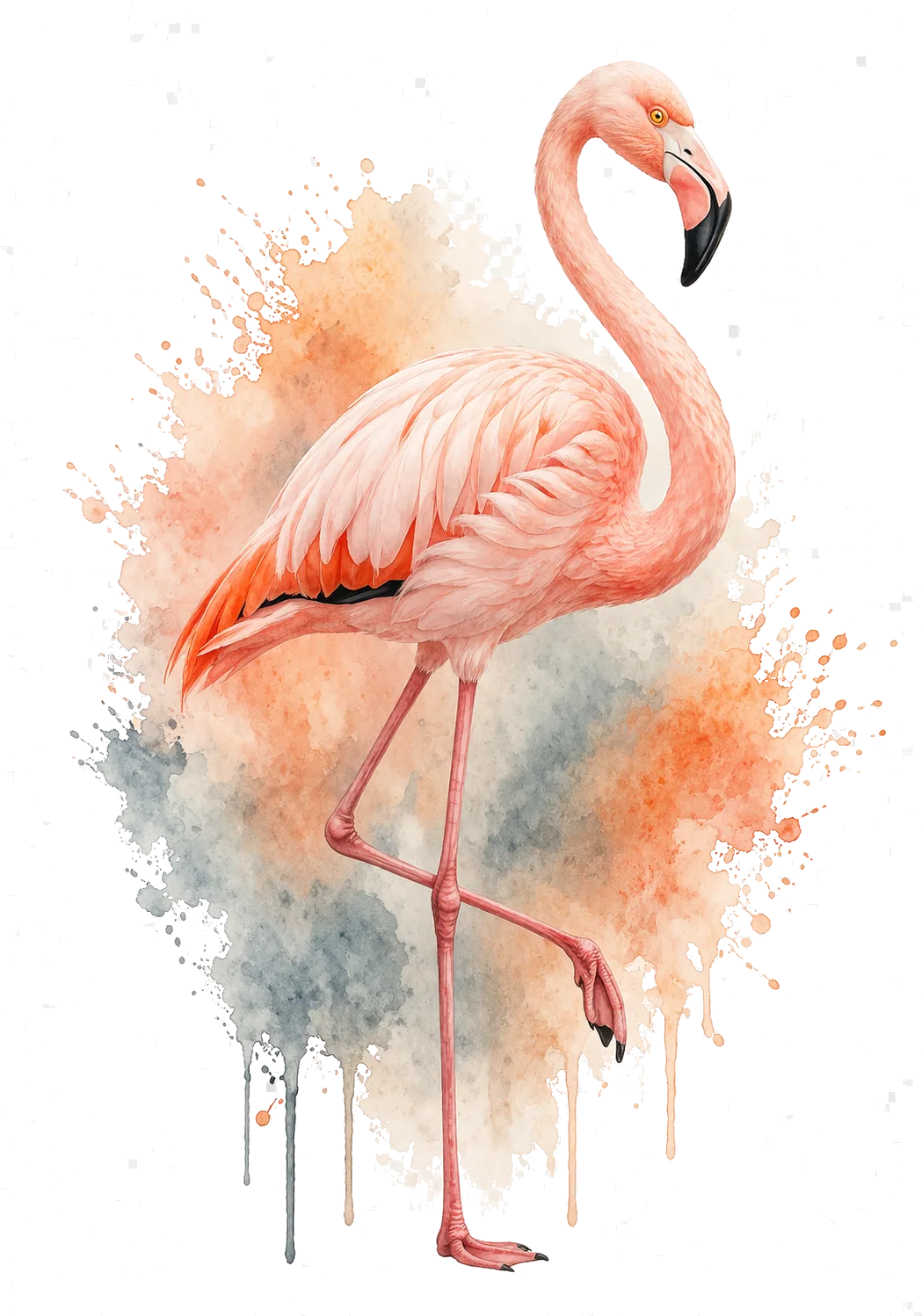
Lake Nakuru National Park is a popular destination for birdwatchers interested in waterbirds and species found around lakes, woodlands and grasslands. Depending on lake conditions, visitors may see flamingos along the shoreline, alongside pelicans, herons and other water-associated birds. Beyond the lake, the surrounding vegetation provides additional opportunities to observe different bird species. Visitors can combine birdwatching with wildlife viewing while exploring the park's varied landscapes.
2. Lake Naivasha
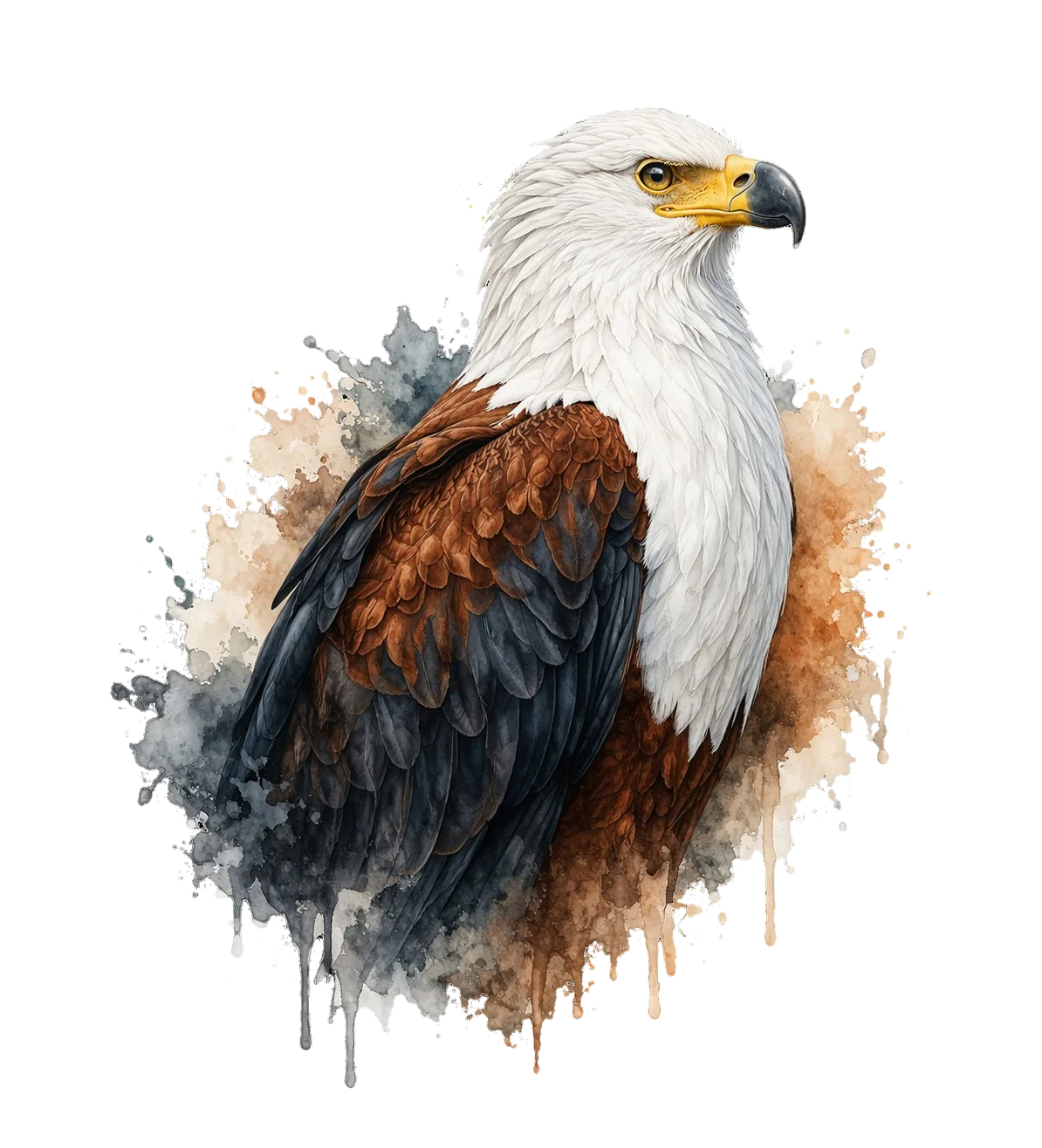
Lake Naivasha offers an enjoyable birdwatching experience around a freshwater lake surrounded by vegetation and varied natural habitats. Visitors may encounter African fish eagles, kingfishers, cormorants and other birds associated with freshwater environments. The lakeshore provides opportunities to observe bird activity, listen to distinctive calls and photograph birds in their natural surroundings. For visitors interested in combining birdwatching with a relaxing nature experience, Lake Naivasha is a worthwhile destination to consider.
3. Kakamega Forest
Kakamega Forest is an excellent option for visitors interested in forest birdwatching. Unlike the open landscapes of Kenya's savannah reserves, this forest offers a different environment where birds may be heard calling from the canopy or spotted moving between branches. Visitors can look for forest-associated species, including turacos and barbets, while exploring the area's rich vegetation. Patience is especially valuable in forest habitats, where some birds can be difficult to spot among the leaves and branches.
4. Samburu National Reserve
Samburu National Reserve provides a distinctive birdwatching experience in northern Kenya. Its dry landscapes, riverine vegetation and surrounding woodlands support bird species adapted to arid and semi-arid environments. Visitors can explore different habitats while looking for birds along the Ewaso Ng'iro River and across the reserve's open terrain. Samburu is particularly appealing to travellers who want to combine birdwatching with wildlife viewing in a setting different from Kenya's wetter regions.
5. Mount Kenya
Mount Kenya is an excellent destination for birders interested in montane forest species and the changes in bird communities across different altitudinal zones. As visitors ascend the mountain, the vegetation transitions from montane forest to bamboo, heathland and higher-altitude habitats, creating opportunities to observe different species adapted to these environments. Birders exploring the lower forest zones can look for forest-associated species, including Hartlaub’s turaco and various sunbirds, depending on the location. Higher elevations offer a different birding experience, with opportunities to search for species associated with montane scrub and alpine vegetation. Birding on Mount Kenya involves scanning vegetation for movement, listening for calls and songs, and paying attention to altitude and habitat when identifying species. Some birds may be easier to detect by their vocalisations than by sight, making patient observation particularly valuable. The mountain is suitable for visitors who want to combine birdwatching with mountain scenery, forest exploration and nature experiences. The species encountered will depend on the route, elevation, season and local conditions. Birders should plan their excursions according to their interests and allow enough time to explore the different habitats.
5. Maasai Mara National Reserve
The Maasai Mara is well known for its open grasslands and wildlife, but it also offers rewarding birdwatching opportunities. Its savannahs, riverbanks and woodland areas support a variety of bird species, including ostriches, secretary birds, vultures and eagles. Visitors can look for birds during game drives while enjoying the reserve's landscapes and searching for other wildlife. The Maasai Mara is a suitable choice for travellers who want to combine birdwatching with a traditional Kenyan safari.
What Bird Species Can You Look Out for on a Kenyan Birding Safari?
Kenya's varied habitats support an impressive range of birdlife, making every birdwatching excursion an opportunity to discover something different. From birds soaring high above the savannah to colourful species hidden among forest branches, the experience involves more than simply spotting birds. Visitors can observe their behaviour, listen to their calls and learn how different species adapt to their surroundings.
Waterbirds and Wetland Species
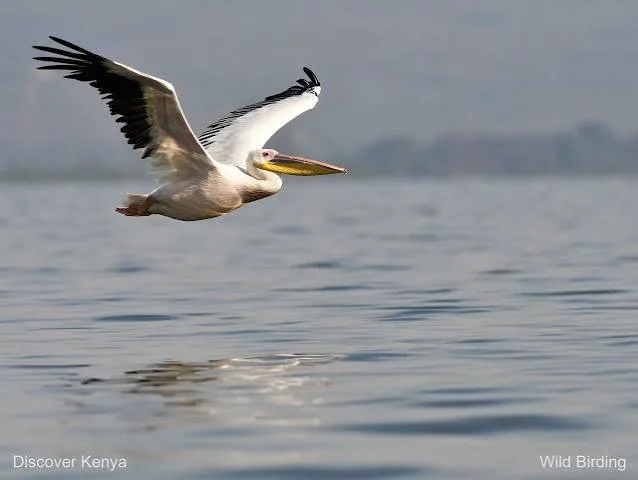
Kenya’s lakes and wetlands support a diverse assemblage of waterbirds. At Lake Nakuru National Park and Lake Naivasha, birders may record flamingos, pelicans, herons, cormorants and African fish eagles. Species composition and abundance vary with water levels, food availability and seasonal conditions. Wetland birding offers opportunities to observe feeding behaviour, flight patterns and adaptations to aquatic habitats. Birders can use binoculars to examine diagnostic field marks, including bill shape, leg length, plumage patterns and body proportions. These features help distinguish between similar species in the field.
Forest Species and Woodland Birds
Kakamega Forest provides habitat for numerous forest-dependent bird species, including turacos and barbets. Birding in forest habitats often involves listening for calls and songs, scanning the canopy and understory, and watching for movement among the vegetation. Vocalisations are particularly useful for detecting species that remain concealed by dense foliage. Birders can combine call recognition with visual field marks, including plumage, bill shape and distinctive flight patterns, to improve identification. Recording observations in a field checklist can also help build familiarity with species encountered during an excursion.
Raptors and Open-Country Birds
Kenya’s savannahs, grasslands and open woodlands support a variety of raptors and other open-country species. Depending on the destination, birders may encounter eagles, vultures, secretarybirds and ostriches. Samburu National Reserve and Maasai Mara National Reserve offer opportunities to observe birds across contrasting habitats. Raptor identification often relies on silhouette, wing shape, flight profile, plumage and behaviour. Soaring birds can be difficult to identify at a distance, so birders should consider several field marks rather than relying on a single feature. Observing birds in different light conditions and flight positions can provide additional identification clues.
Bird Identification Techniques and Fieldcraft for Birdwatching in Kenya
Accurate bird identification is an essential part of a rewarding birding experience. Birders use a combination of visual field marks, vocalisations, behaviour and habitat to identify species in the field. Rather than relying on colour alone, it is important to observe a bird’s size, shape, posture, bill structure, leg length, plumage patterns and flight characteristics. These features can help distinguish between similar species encountered during a birding safari.
Using Field Marks for Species Identification
Field marks are the physical characteristics that help birders recognise and distinguish individual species. These may include distinctive head markings, eye rings, wing bars, tail patterns, bill shape and plumage coloration. Observing these features systematically can improve identification, particularly when several species occur in the same habitat. Birders should also consider a species’ geographical range, preferred habitat and seasonal occurrence. For example, identifying a bird at a freshwater lake may involve different possibilities from identifying one in a dry savannah or tropical forest.
Recognising Bird Calls and Songs
Bird vocalisations are valuable identification clues, especially in dense forests and woodland habitats where birds may remain hidden by vegetation. Calls and songs can help birders detect species before seeing them and distinguish birds that look similar. Listening carefully to the pitch, rhythm, repetition and structure of a vocalisation can support identification. Over time, birders can develop familiarity with the calls of commonly encountered species. A reliable field guide or bird identification application can help verify observations, although recordings should be used carefully to avoid disturbing birds.
Using Binoculars and Field Guides
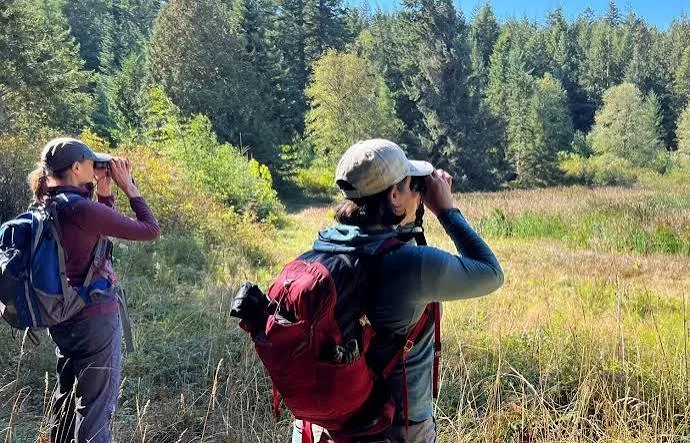
Binoculars are among the most useful tools for birdwatching. They allow birders to examine distant birds and identify diagnostic features without approaching too closely. A field guide can provide information about plumage, distribution, habitat, vocalisations and similar-looking species. Birders should become comfortable focusing their binoculars quickly and following moving birds through vegetation or across open landscapes. For photography, a camera with a suitable telephoto lens can capture useful identification details while maintaining a respectful distance.
Keeping a Birding Checklist and Field Notes
Recording observations helps birders track the species encountered during a safari. A field checklist or journal can include the species name, date, location, habitat, behaviour and any distinctive field marks or vocalisations observed. For uncertain sightings, it is good practice to record the features actually observed rather than immediately assigning a species name. Photographs, sound recordings and notes can later help confirm identification using a field guide or other reliable reference.
Practising Responsible Birding Fieldcraft
Good fieldcraft involves observing birds without unnecessarily disturbing them or their habitats. As Samton Safaris, we encourage birders to keep an appropriate distance from nests and roosting sites, avoid trampling vegetation, and refrain from chasing birds to obtain photographs. Playback of recorded calls should be avoided or used only where appropriate and in accordance with local guidance, as it can disrupt normal behaviour. Additionally, patience, quiet movement and awareness of the surrounding environment can improve observation opportunities. Whether birding around Lake Naivasha, exploring Kakamega Forest or scanning the savannahs of the Maasai Mara, responsible fieldcraft helps protect birdlife while supporting a more rewarding birdwatching experience.
What Is the Best Time for Birdwatching in Kenya?
Birdwatching is possible in Kenya throughout the year, although the experience varies according to the destination, weather and species you hope to see. The period from approximately October to April can be particularly interesting for visitors hoping to observe migratory birds arriving from other regions. Resident species can be found throughout the year, although their visibility and activity may vary with local conditions. Rainfall can influence vegetation, water levels, bird activity and access to some locations. Visitors should therefore consider their preferred destinations and birdwatching interests when choosing travel dates. Early mornings are often productive for birdwatching because many species are active during the cooler hours of the day. Allowing sufficient time at each destination also gives visitors a better opportunity to observe bird behaviour and listen for distinctive calls. Samton Safaris can help visitors plan a birding itinerary around their travel schedule and preferred destinations.
What to Expect on a Guided Birding Safari in Kenya
A guided birdwatching safari with Samton Safaris' expert guides, gives visitors an opportunity to explore Kenya's birdlife while learning more about the species found in different environments. Rather than concentrating only on large mammals, birding excursions allow more time to observe bird identification features, calls, feeding habits and behaviour. Visitors can learn to recognise birds by their size, plumage, markings, sounds and flight patterns. A guide can help distinguish similar-looking species and explain the habitats in which different birds are commonly found. Depending on the itinerary, visitors may explore lakeshores, forests, woodlands and savannahs whereby, each habitat supports different bird communities, making a multi-destination safari an opportunity to discover a wider range of birdlife. Bird photography can add another dimension to the experience. Visitors may have opportunities to photograph birds perched on branches, feeding near water or flying across open landscapes. Additionally, patience and respectful observation are important. Birds should not be disturbed or chased for photographs. With Samton Safaris, visitors can plan a guided birdwatching experience suited to their interests, preferred destinations and available travel time.
What are the Best Tips for Planning a Successful Birding Safari in Kenya?
Successful birdwatching in Kenya begins with choosing suitable destinations, planning travel dates and allowing enough time to explore each habitat. If you hope to see particular species, research where they are commonly found and when they are most likely to be present. Lake Naivasha offers opportunities to observe waterbirds, while Kakamega Forest is worth considering for forest-dwelling species. For a more rewarding experience, we ensure to plan excursions during periods when birds are active, often in the early morning. Visitors are also advised to carry binoculars, wear comfortable clothing and bring a notebook or bird identification app to record your sightings. Patience is essential because some birds are easier to hear than to see. Another thing to consider is your interests when selecting destinations for your birding safari in Kenya. Visitors who enjoy photography can explore locations that offer opportunities to capture birds in different habitats and natural settings. If you are new to birdwatching, joining a guided excursion can help you learn to recognise species by their calls, colours, flight patterns and behaviour. Visitors should also avoid rushing between destinations, as spending more time in one area allows them to observe bird activity, discover hidden species and appreciate the surrounding environment. Whether travelling alone, as a couple, with family or in a group, choosing destinations that match your interests and allowing enough time for observation can make your birding safari more rewarding.
Frequently Asked Questions About Birding Tours in Kenya
1. What Should I Pack for a Birdwatching Safari in Kenya?
Useful items include binoculars, a camera if desired, comfortable walking shoes, lightweight clothing, a hat, sunscreen, drinking water and a bird identification guide or app. Your packing list may vary depending on the destination and weather.
2. Are Birding Tours in Kenya Suitable for Beginners?
Yes. Beginners can enjoy birding tours while learning to identify birds by their colours, calls, markings and behaviour. Choosing suitable destinations and allowing enough time for observation can make the experience more enjoyable.
3. What Is the Difference Between Birdwatching and a Birding Safari?
Birdwatching is the activity of observing and identifying birds in places such as gardens, wetlands, forests and national parks. A birding safari is a planned travel experience focused on discovering birds across selected destinations. It may include guided excursions, visits to different habitats and opportunities for bird photography.
4. Can I Combine Birdwatching with a Wildlife Safari in Kenya?
Yes. Destinations such as Samburu National Reserve and Maasai Mara National Reserve offer opportunities to combine birdwatching with traditional wildlife viewing. This allows visitors to observe birds while also enjoying Kenya's landscapes and searching for mammals.
5. Can I Visit Several Birding Destinations on One Safari?
Yes. Depending on your schedule and travel arrangements, you can combine destinations with different habitats, such as lakes, forests and savannahs. Your itinerary should allow enough time to explore each location without spending too much time travelling between destinations.
6. How Can I Book a Birding Tour in Kenya with Samton Safaris?
To plan your birding tour with Samton Safaris, share your preferred travel dates, group size, trip duration and birdwatching interests. You can also mention whether you are interested in photography, particular bird species or specific habitats. These details can help shape a safari itinerary suited to your preferences.
Plan Your Birding Tour in Kenya with Samton Safaris and discover Kenya's birdlife by exploring destinations that offer different habitats, landscapes and opportunities for observation. From the freshwater surroundings of Lake Naivasha to the forests of Kakamega and the open savannahs of the Maasai Mara, each destination offers a different perspective on the country's natural diversity. Whether you are planning your first birdwatching experience or looking to explore more bird-rich locations, Samton Safaris can help you organise a trip around your interests, travel dates and preferred safari experiences.
Contact Samton Safaris to start planning your birding tour in Kenya.
Photo Gallery


Birding ToursBirdwatching Kenya SafarisBird Photography
Wildlife in This Article
Destinations Mentioned

Masai Mara National Reserve
The Greatest Wildlife Spectacle on Earth

Samburu National Reserve
A rugged northern Kenya safari destination known for rare wildlife, the Samburu Special Five and the Ewaso Nyiro River.

Lake naivasha
Where serene waters meet wild beauty discover the magic of Lake Naivasha

Mount Kenya National Park
A spectacular mountain destination known for high-altitude trekking, alpine landscapes, wildlife and cultural heritage.

Lake Nakuru National Park
A pink paradise where rhinos roam and flamingos flock.
Written by
Admin
A member of the Samton Safaris team, with deep expertise in East African safaris across Kenya, Tanzania, Uganda and Rwanda. Dedicated to helping travellers discover the magic of Africa.
Continue Reading

Travel Guide2 min read
Admin
Wildlife Tracking Safaris in Kenya: Complete Guide | Samton Safaris
Explore Kenya’s best wildlife tracking safaris with Samton Safaris, from spoor reading to rhino and predator tracking in top conservancies.
Read Article
Travel Guide2 min read
31 October 2026Admin
Top 10 Safari Packing Essentials: What to Pack for an African Safari
Preparing for an African safari? Discover 10 essential items to pack, from comfortable clothing and footwear to sun protection and travel accessories.
Read Article
Travel Guide2 min read
31 October 2026Admin
Family Safari in East Africa: Best Destinations & Travel Tips
Planning a family safari in East Africa? Explore the best destinations, child-friendly travel tips and practical advice for an enjoyable wildlife holiday with your children.
Read ArticleReady to Experience This?
Let our experts plan your perfect safari across Kenya, Tanzania, Uganda and Rwanda.
Start Planning