Travel Guide8 min read
Wildlife Tracking Safaris in Kenya: Complete Guide | Samton Safaris
Explore Kenya’s best wildlife tracking safaris with Samton Safaris, from spoor reading to rhino and predator tracking in top conservancies.
Admin

Wildlife tracking safaris in Kenya offer visitors a closer look at how wild animals move, behave and survive in their natural habitats. Beyond observing wildlife during game drives, tracking introduces visitors to the signs animals leave behind, including footprints, dung, feeding marks, scratch marks, trails and other evidence of their presence. Kenya's diverse landscapes provide opportunities to explore animal tracking in different environments, from open savannahs and dry woodlands to riverine habitats and forested areas. With an experienced guide or tracker from Samton Safaris, visitors can learn how to interpret spoor, recognise animal signs and understand how factors such as wind, weather, vegetation and terrain influence tracking. With Samton Safaris, travellers can explore options for a wildlife tracking experience suited to their interests, itinerary and preferred destinations. Whether your interest is in learning about predator tracks, following conservation-led rhino monitoring activities or understanding the relationship between wildlife and its habitat, a tracking-focused safari can add a different dimension to your Kenyan adventure.
What Is a Wildlife Tracking Safari?
A wildlife tracking safari focuses on interpreting evidence left by animals to understand their movements, behaviour and use of the landscape. With an experienced guide or tracker, visitors learn to identify animal spoor and other field signs, including:
Footprints and trails: Track shape, size, depth, arrangement and stride length can help identify species and assess their direction of travel.
Dung and feeding signs: Droppings, browsing marks, stripped bark and disturbed vegetation can provide clues about animal presence and feeding activity.
Scratch marks and wallows: These signs can offer information about animal behaviour and how wildlife uses its habitat.
Scent markings and other field signs: These may help explain animal communication, territorial behaviour and movement patterns.
By interpreting these signs alongside habitat conditions and knowledge of animal behaviour, trackers can help visitors understand how wildlife moves through the environment, feeds and uses resources such as water. However, individual signs do not always reveal an animal's exact location or direction of travel, so accurate interpretation requires experience and careful observation.
What Animals Can You Track on a Kenyan Safari?
The animals encountered during a tracking safari depend on the destination, the activity arranged and the wildlife present. Tracking may focus on particular species or involve learning to interpret signs left by several types of animals.
Rhino Tracking
Rhino tracking is especially relevant to conservation-focused experiences. Trackers and conservation teams use field signs and knowledge of individual animals to support monitoring and protection efforts. At participating conservancies such as Olpejeta Conservancy, visitors may be able to learn about this work through an organised activity.
Predator Tracking
Predator spoor can include tracks left by lions, leopards, cheetahs, spotted hyenas and other carnivores. Footprint shape, claw impressions where visible, track arrangement and stride patterns can help experienced trackers assess possible species identification. Predator tracking requires particular care. A track does not guarantee that the animal is nearby, and visitors should never attempt to follow potentially dangerous wildlife without authorised professional guidance.
Elephant and Other Large Mammal Tracks
Elephants leave distinctive footprints, along with other signs such as broken branches, feeding damage and dung. These clues can help trackers understand where elephants have moved and how they use their habitat. Other large mammals also leave tracks and feeding signs that can be interpreted alongside the surrounding environment. The usefulness of each sign depends on its condition and the experience of the tracker.
Wildlife Tracking Techniques: How Trackers Read Animal Signs
Wildlife tracking combines observation, ecological knowledge and careful interpretation. Experienced trackers assess several clues together rather than relying on a single footprint or sign.
1.Identifying Footprints and Spoor
Trackers examine the shape, dimensions and arrangement of footprints. They may consider the number and position of toes, the presence of claw marks, heel-pad characteristics and the spacing between successive prints. The substrate matters: tracks in soft sand may appear different from those in mud or firm ground. Wind, rain and other animal activity can also alter or obscure spoor, making accurate identification more difficult.
2. Interpreting Trails and Direction of Travel
A sequence of tracks can help indicate an animal's direction of travel. Trackers assess the relationship between individual prints, stride length, terrain and nearby signs. They also look ahead and to either side of the trail to avoid missing changes in direction. A trail may become difficult to follow where vegetation, rocky ground or other disturbances interrupt the spoor. Experienced trackers therefore remain alert to alternative clues rather than assuming that every track continues in a straight line.
3. Reading Feeding Signs and Other Field Evidence
Feeding signs can reveal which plants or prey animals may have been involved in wildlife activity. Broken stems, browsed leaves, stripped bark, disturbed ground and dung can provide additional context. These clues need to be interpreted carefully because similar signs may be produced by different species. Trackers consider the surrounding habitat, the freshness of the evidence and other available indicators before drawing conclusions.
4. Understanding Track Age and Environmental Conditions
Track freshness can be difficult to estimate accurately. Sunlight, wind, rain, soil type and the movement of other animals can all change the appearance of spoor. Rather than assigning an exact age based on appearance alone, trackers consider several environmental factors and explain the uncertainty involved. This is an important part of responsible wildlife tracking.
What to Expect on a Guided Wildlife Tracking Safari
A guided wildlife tracking safari with Samton Safaris can introduce visitors to the practical skills used to interpret animal spoor, identify field signs and understand wildlife behaviour. Depending on the destination and activity booked, the experience may involve walking with authorised trackers, examining footprints and feeding signs, or learning about conservation monitoring. Experienced guides explain how track shape, condition, surrounding habitat and other clues help distinguish between species and interpret animal movements. Although tracking may lead to a wildlife sighting, sightings are not guaranteed and depend on season, animal movements and local conditions. Some activities take place on foot, while others use a vehicle or combine different approaches. Visitors should follow all instructions from authorised guides and rangers, respect park and conservancy rules, and confirm walking requirements, fitness expectations and safety arrangements before booking. Tracking dangerous wildlife independently or approaching animals without professional guidance should always be avoided.
What Is the Best Time for Wildlife Tracking in Kenya?
Wildlife tracking is influenced by rainfall, ground conditions, vegetation and animal movements. In some locations, relatively dry conditions can make tracks easier to see because the ground retains impressions and trails may be more visible. However, the best conditions vary by destination and activity. Rain can soften the ground and create clear impressions, but heavy rainfall may also wash away spoor. Wind and dry conditions can quickly obscure tracks in loose soil or sand. Dense vegetation may make some signs harder to detect. The best time to visit therefore depends on where you plan to track wildlife and what you hope to learn. Before travelling, ask the park, conservancy or safari operator about seasonal conditions and the availability of specialist tracking activities. Samton Safaris can help you consider suitable destinations and travel arrangements when planning a tracking-focused safari.
What Should You Pack for a Wildlife Tracking Safari?
Packing requirements depend on whether your experience involves game drives, guided walks or specialist conservation activities. Useful items may include:
1. Comfortable, closed walking shoes suitable for the terrain.
2. Lightweight clothing appropriate for the weather and activity.
3. A hat, sunscreen and drinking water.
4. Binoculars for observing wildlife at a distance.
5. A camera, if desired, for documenting tracks and wildlife without disturbing them.
6. A notebook or field guide for recording observations.
7. Insect repellent where appropriate.
Frequently Asked Questions About Wildlife Tracking Safaris in Kenya
1. What Is a Wildlife Tracking Safari?
A wildlife tracking safari focuses on interpreting animal footprints, spoor, dung, feeding marks, trails and other field signs. With a qualified guide or tracker, visitors learn how these clues can help explain animal movements and behaviour.
2.Where Can I Go Wildlife Tracking in Kenya?
Kenya Wildlife Service lists Tsavo East National Park, Tsavo West National Park and Meru National Park as destinations for wildlife tracking. Ol Pejeta Conservancy and Borana Conservancy also offer relevant conservation and tracking experiences. Availability and booking arrangements vary by location.
3.Can I Track Rhinos in Kenya?
Specialist rhino-tracking experiences are available at selected conservation destinations. Borana Conservancy describes a guided experience with conservation scouts involved in rhino monitoring, while Ol Pejeta Conservancy offers tracking experiences alongside its conservation activities. Always confirm access and availability directly before travel.
4. Is Wildlife Tracking Safe?
Tracking can be conducted responsibly when visitors follow authorised guides, rangers and conservation personnel. Safety requirements depend on the activity, location and wildlife involved. Never attempt to track dangerous animals independently.
5.Do Wildlife Tracking Safaris Guarantee Animal Sightings?
No. Tracking may reveal evidence of wildlife without leading to a direct sighting. Results depend on animal movements, weather, terrain, track conditions and other local factors.
Photo Gallery


animal tracking in Kenya, wildlife tracking safari, guided wildlife tracking, animal spoor identification, rhino tracking in Kenya, Kenya safari guide
Wildlife in This Article
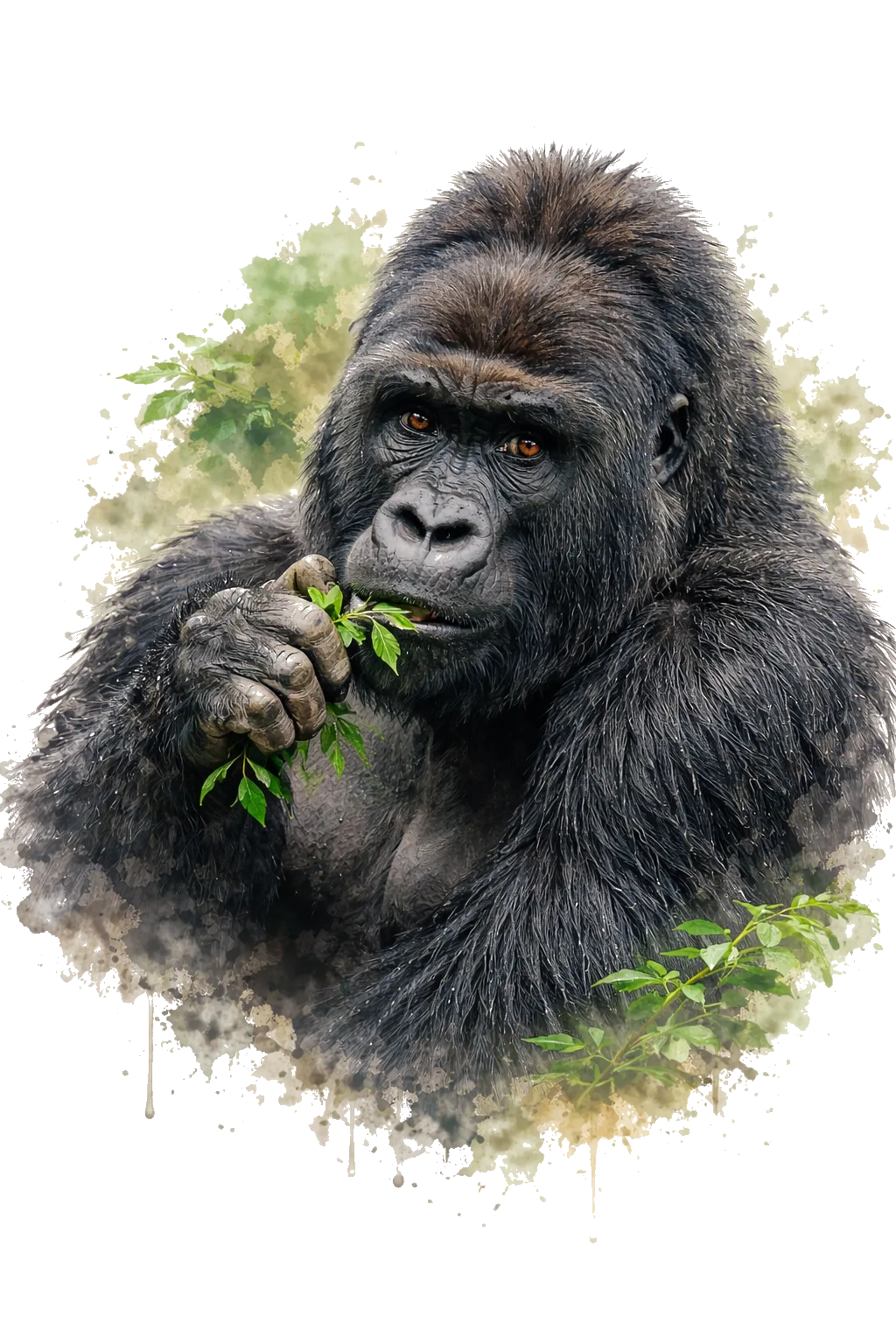
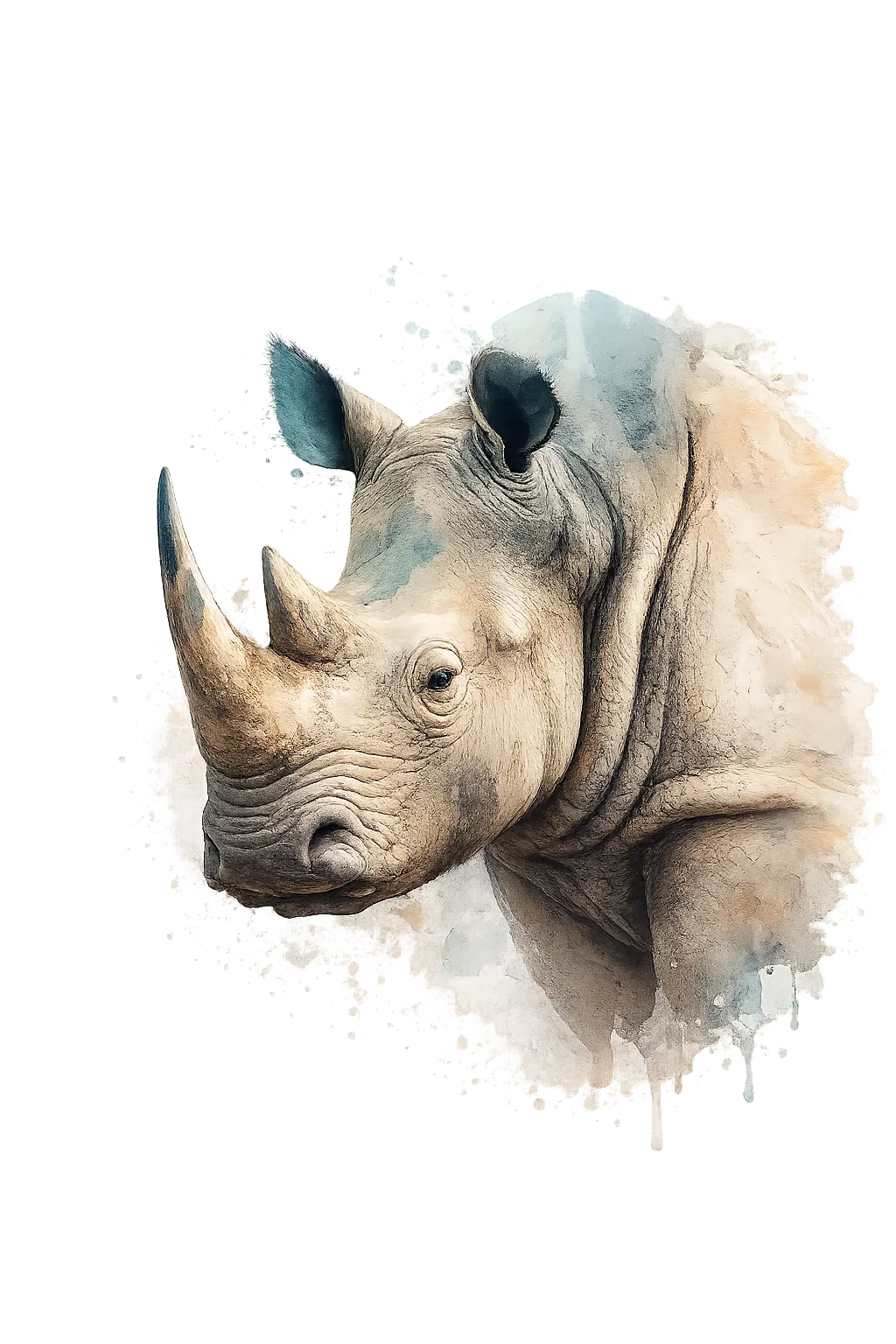
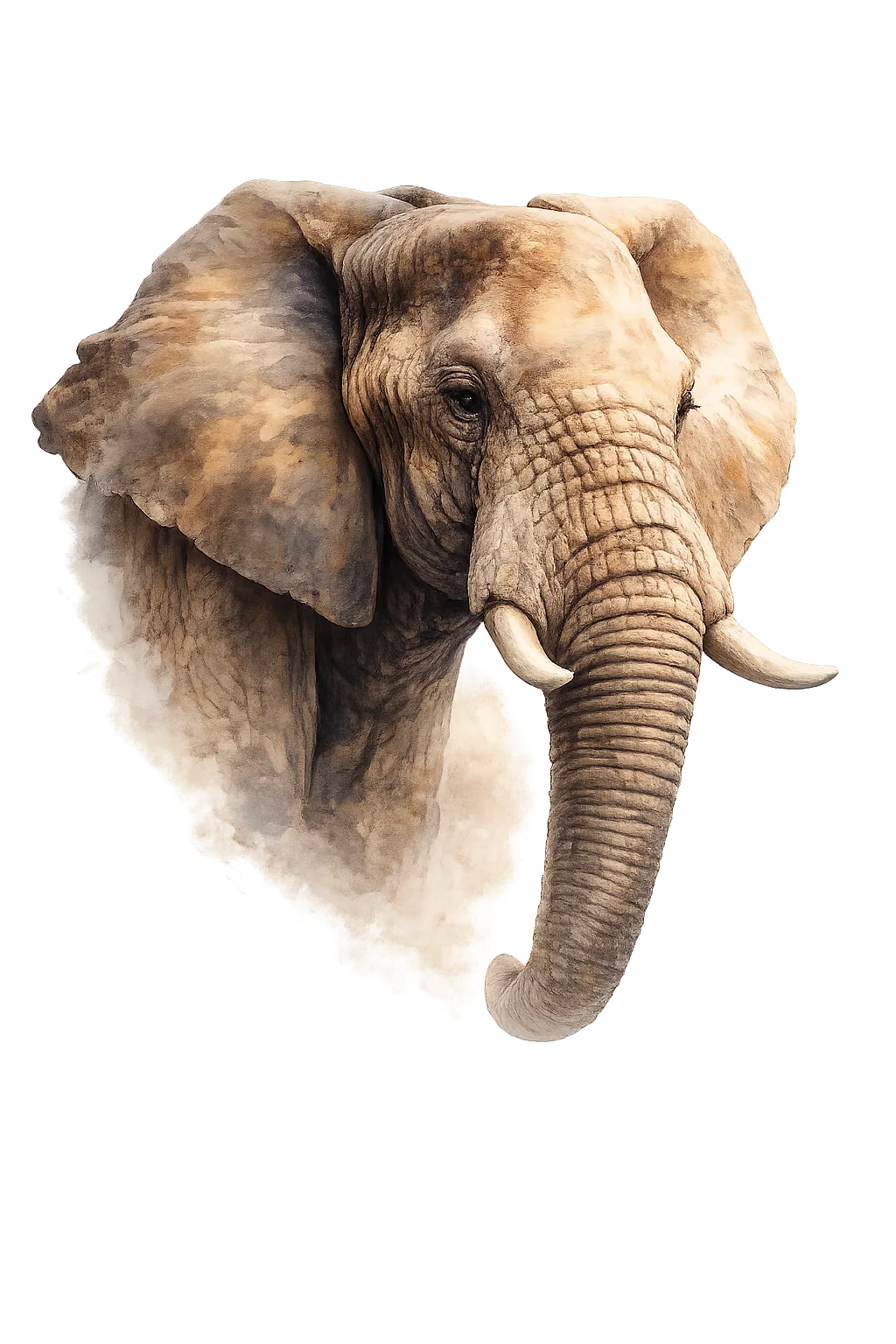
Destinations Mentioned

Volcanoes National Park
A spectacular mountain destination known for gorilla trekking, golden monkeys, volcanic landscapes and rainforest experiences.

Ol Pejeta Conservancy
A wildlife conservancy known for rhino conservation, chimpanzees and diverse safari experiences.
Tsavo East National Park
Discover Tsavo East’s Red-Dust Elephants, Wildlife and Wild Landscapes

Tsavo West National Park
Explore Tsavo West’s Wildlife, Volcanic Landscapes and Natural Springs
Written by
Admin
A member of the Samton Safaris team, with deep expertise in East African safaris across Kenya, Tanzania, Uganda and Rwanda. Dedicated to helping travellers discover the magic of Africa.
Continue Reading

Travel Guide2 min read
15 October 2026Admin
Birding Tours in Kenya: Best Destinations | Samton Safaris
Explore Kenya’s top birding hotspots, from Rift Valley lakes to forest endemics, with custom guided safaris from Samton Safaris.
Read Article
Travel Guide2 min read
13 March 2026Samton Safaris
Honeymoon Safari in Kenya: Romantic Itineraries & Lodges
Discover a romantic Kenya honeymoon safari with private game drives, luxury lodges, bush breakfasts and beach extensions to Diani.
Read Article
Travel Guide2 min read
13 March 2026Samton Safaris
Uganda Gorilla Trekking: Everything You Need to Know in 2026
Your 2026 guide to Uganda gorilla trekking—permits, costs, best time, and seamless Kenya or Rwanda safari combinations with Samton Safaris.
Read ArticleReady to Experience This?
Let our experts plan your perfect safari across Kenya, Tanzania, Uganda and Rwanda.
Start Planning