Safari Tips2 min read
Best Time to Visit Masai Mara for the Great Migration
Find the best months for Masai Mara river crossings, predator action, and a custom Great Migration safari from Nairobi with Samton Safaris.
Samton Safaris
13 March 2026

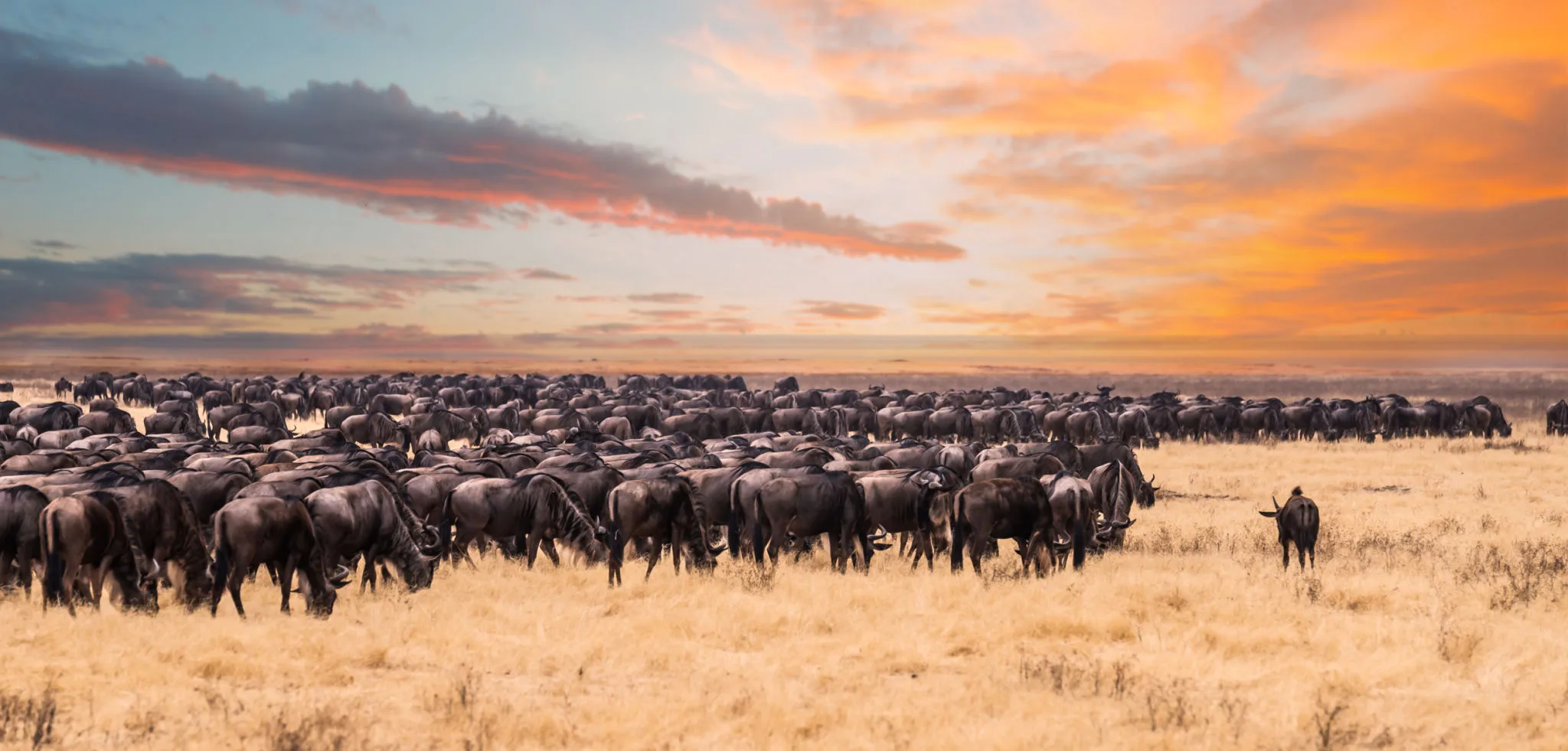
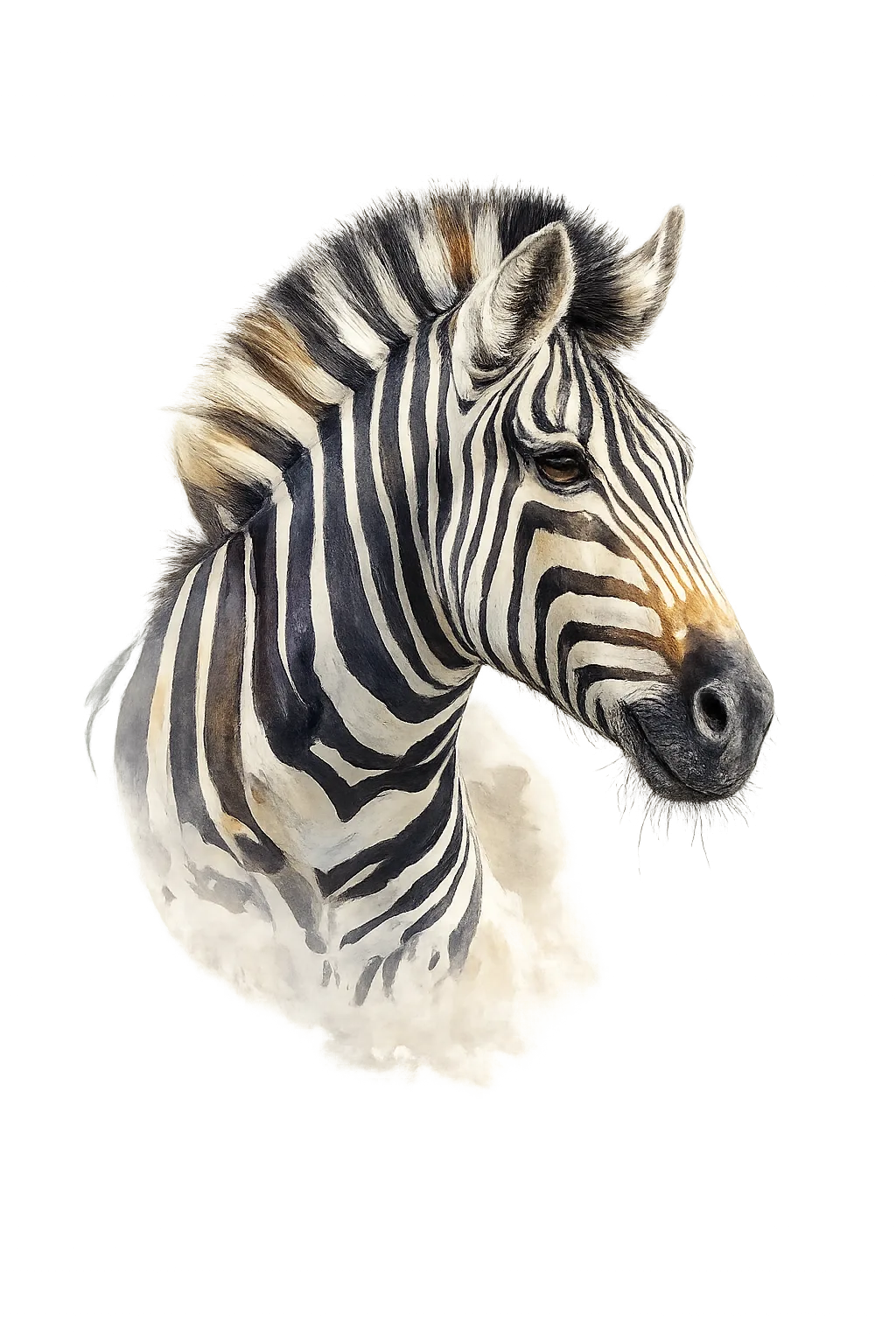
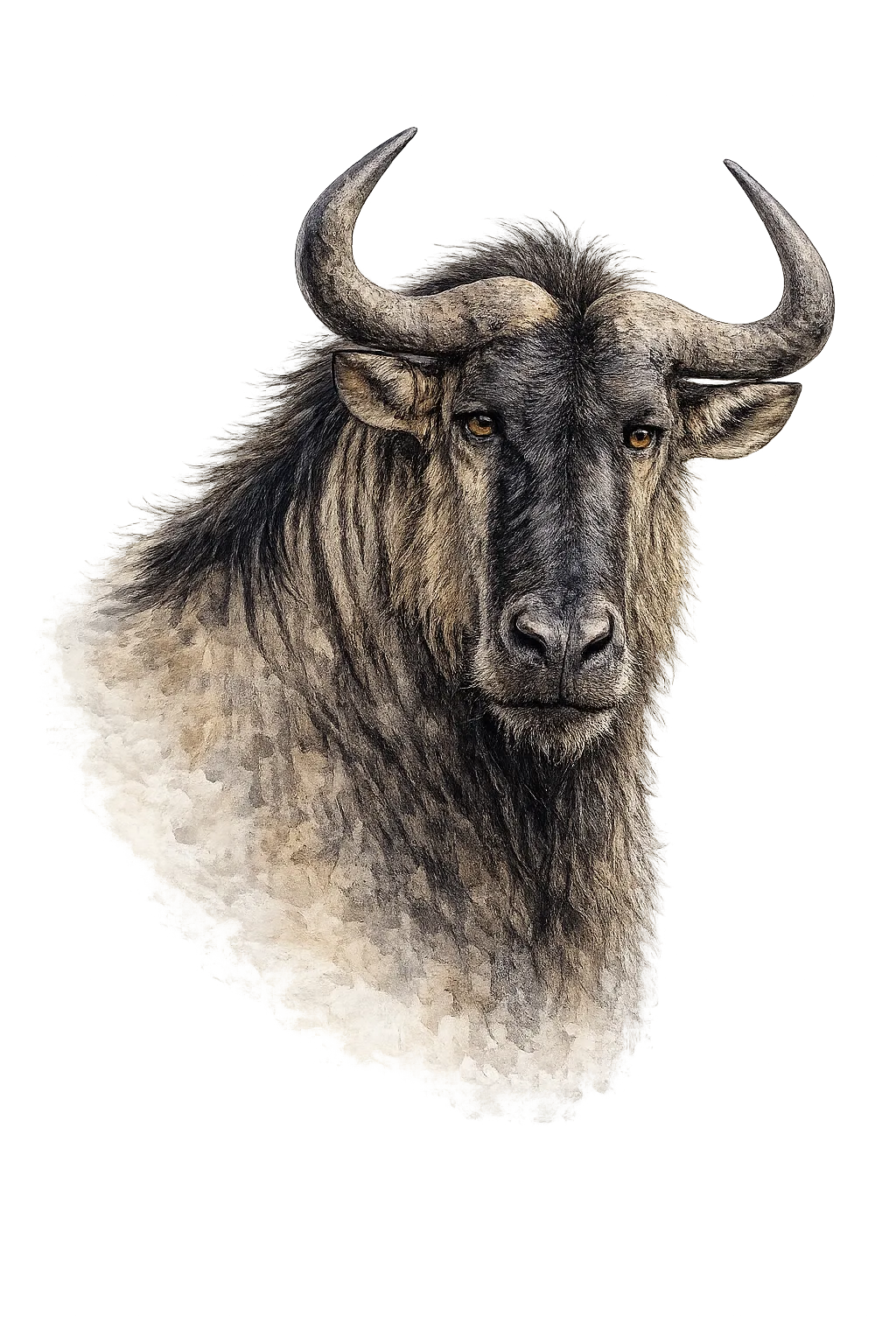
The Great Migration is often called the greatest wildlife spectacle on Earth — and for good reason. Each year, over 1.5 million wildebeest, 200,000 zebras, and 350,000 gazelles journey in a continuous loop between Tanzania's Serengeti and Kenya's Masai Mara in search of fresh grazing and water.
But when exactly should you visit to witness the most dramatic moments? This guide breaks it down month by month so you can time your Kenya safari perfectly.
Understanding the Migration Cycle
Despite what many people think, the Great Migration isn't a single event — it's a year-round, continuous movement. The herds follow the rains in a roughly clockwise circuit. Here's how the year typically unfolds:
January – March: Calving Season
The herds are in the southern Serengeti (Ndutu area). Around 500,000 calves are born in just a few weeks — attracting predators and creating dramatic hunting scenes. This is one of the best times for photography.
April – June: The Long Rains
Herds begin moving northwest through the Serengeti. The central and western corridors see massive columns of animals. April can be wet, but May and June offer spectacular viewing with fewer tourists.
July – October: The Mara River Crossings
This is the peak season. Herds arrive at the Mara River and attempt perilous crossings — facing crocodiles, strong currents, and steep banks. This is what most people picture when they think of the Migration.
November – December: Return South
Short rains trigger the herds' return to the Serengeti. The southern Mara can still have excellent game viewing in early November before the herds disperse.
● ● ●
Month-by-Month Guide for Masai Mara
July: The Herds Arrive
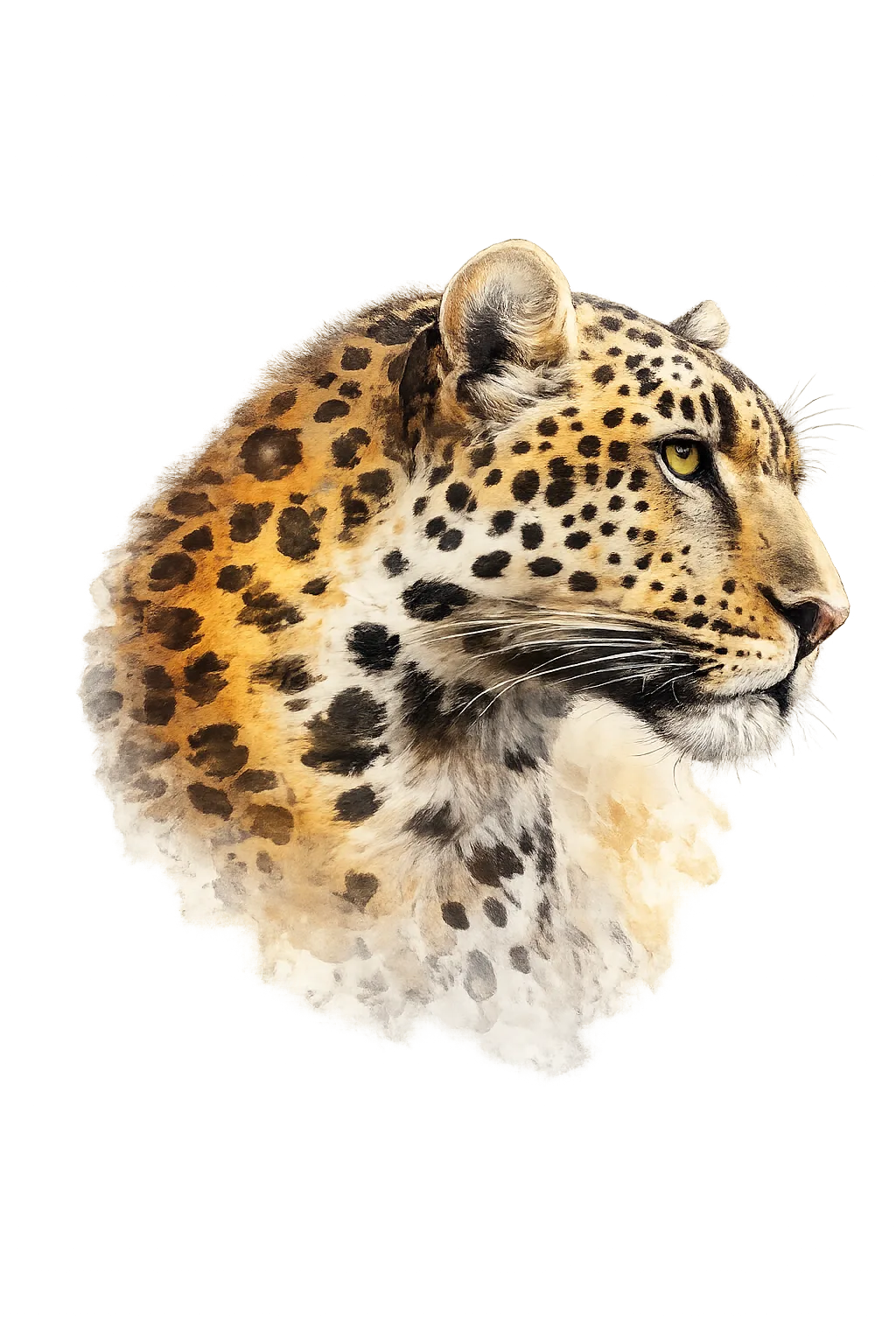
The first large herds typically reach the Mara River in late July. River crossings begin, though they can be unpredictable — herds may gather at the riverbank for days before attempting. The Mara is lush and green, and predator activity is high as lions and leopards hunt the arriving herds.
💡July is excellent for combining Migration viewing with general game drives, as resident wildlife (big cats, elephants, hippos) is plentiful year-round.
August: Peak River Crossings
August is considered the single best month for Mara River crossings. Multiple crossings can happen in a single day, with thousands of wildebeest plunging into the crocodile-infested waters. The drama is extraordinary — but so are the crowds. Book well in advance.
September: Sustained Action
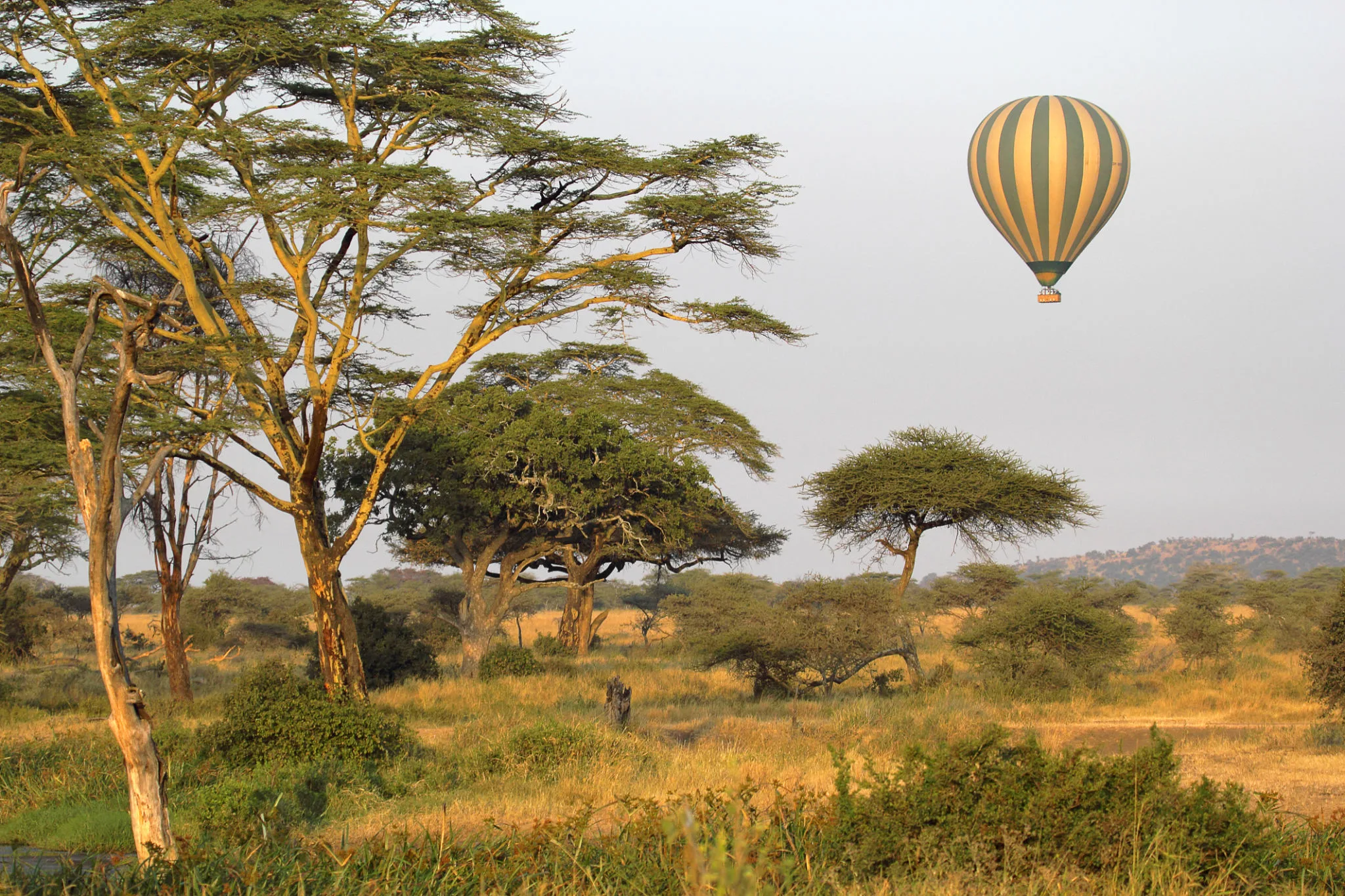
September continues the river crossing spectacle with slightly fewer tourists than August. The herds are spread across the northern Mara conservancies and the reserve itself. This is an outstanding time for photography with golden-hour light and dramatic cloud formations.
October: Last Crossings & Return
By mid-October, most herds begin drifting south. Late crossings can still occur, often with fewer vehicles present. The landscape starts to dry out, making wildlife easier to spot against the golden grass. October offers a more intimate, less crowded experience.
● ● ●
Practical Tips for Your Migration Safari
- Book 6–12 months ahead — premium lodges and camps sell out fast for July–September
- Stay at least 3 nights in the Mara to maximize your chances of witnessing crossings
- Consider the conservancies — private conservancies bordering the reserve offer fewer vehicles and off-road driving
- Balloon safaris provide an unforgettable aerial perspective of the herds
- Pack binoculars and a telephoto lens — river crossings can happen at a distance
✅Want a tailor-made Migration itinerary? Our team has guided hundreds of guests to the perfect crossing. Contact us for a free consultation.
We saw three river crossings in two days — the sound, the dust, the sheer number of animals... nothing prepares you for it. Samton Safaris positioned us perfectly every time.
Sarah & Tom, UK — August 2025
How Samton Safaris Can Help
At Samton Safaris, we've been guiding Migration safaris since 2017. Our founder Samuel Mwaura personally scouts the best crossing points and works with a network of local guides to get you in position at the right time.
Whether you want a luxury fly-in experience, a budget-friendly camping safari, or a photography-focused itinerary, we'll craft your perfect Migration adventure.
great migrationmasai marakenya safariwildebeestriver crossingbest time
Wildlife in This Article


Written by
Samton Safaris
A member of the Samton Safaris team, with deep expertise in East African safaris across Kenya, Tanzania, Uganda and Rwanda. Dedicated to helping travellers discover the magic of Africa.

Ready to Experience This?
Let our experts plan your perfect safari across Kenya, Tanzania, Uganda and Rwanda.
Start Planning