Destinations9 min read
Zanzibar Beyond the Beach: Culture & History
Discover Zanzibar beyond its beaches through Stone Town's historic streets, Swahili traditions, spice plantations, maritime heritage and fascinating cultural experiences.
Admin
30 October 2026

Zanzibar is widely celebrated for its white-sand beaches, turquoise waters and beautiful Indian Ocean coastline. However, beyond its coastal attractions lies an island with a fascinating history, diverse cultural influences and traditions that have developed over centuries of interaction between Africa, Arabia, Persia, India and Europe. Zanzibar is located off the coast of mainland Tanzania and, has long been an important centre of Indian Ocean trade. Its history is reflected in the architecture of Stone Town, the flavours of its traditional cuisine, the cultivation of aromatic spices and the maritime traditions that continue to shape island life. For visitors planning a holiday in Zanzibar, exploring these cultural attractions offers a different perspective of the destination. Walking through historic streets, visiting spice plantations, discovering traditional Swahili architecture and learning about the island's past can add depth to a beach holiday. With Samton Safaris, visitors can explore another side of Zanzibar, discovering the stories, people and heritage that make the island more than just a tropical beach destination.
But what makes Zanzibar so culturally fascinating? So, what stories are hidden behind Zanzibar's beautiful beaches? Who built its remarkable historic town? Why is it known as the Spice Island? And how did different cultures come together to create the Zanzibar we know today? Let's explore the historical landmarks, cultural traditions and experiences that make this island much more than a beach destination.
Stone Town: Walk Through Centuries of Zanzibar's History
If there is one place that brings Zanzibar's history to life, it is Stone Town. This historic settlement is not simply a collection of old buildings; it is a place where different cultures, architectural styles and centuries of trading history come together. Stone Town is Recognised as a UNESCO World Heritage Site in 2000, whereby it developed as an important Swahili trading settlement along the East African coast. Its architecture reflects African, Arab, Indian and European influences, creating a distinctive character that visitors can appreciate while walking through its streets. One of the first things you will notice is the network of narrow, winding alleyways. Unlike modern towns with wide roads and organised streets, Stone Town invites visitors to slow down, explore on foot and discover something interesting around every corner.When looking closely at the buildings and you will notice elaborate wooden doors, decorative balconies, traditional courtyards and beautifully detailed architectural features. The famous Zanzibar doors are particularly fascinating, with their intricate carvings reflecting different cultural traditions and the historical status of their owners.
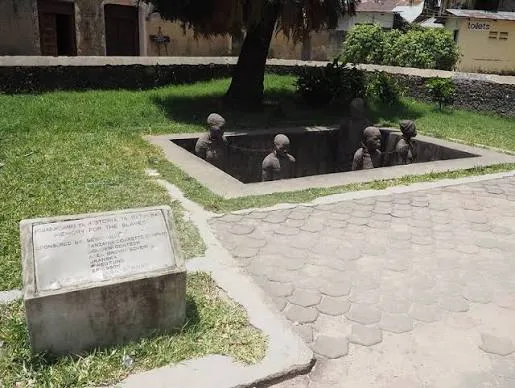
There are also several important landmarks worth including in a Stone Town walking tour:
1. The Old Fort: A historic fortification that now serves as an important cultural landmark.
2. The House of Wonders: A former ceremonial palace associated with Sultan Barghash and one of Stone Town's most recognisable historic buildings.
3. The Old Dispensary: A beautiful example of Indian-influenced architecture, known for its decorative exterior.
4. Hamamni Persian Baths: Historic bathing facilities that reflect the island's Persian architectural influences.
5. Christ Church Anglican Cathedral: A significant landmark connected to Zanzibar's history of slavery and its abolition.
Rather than rushing between attractions, take time to observe the details, visit local shops and listen to the stories shared by knowledgeable local guides. Stone Town is best experienced slowly, allowing its history and everyday atmosphere to become part of your journey.
What Can Visitors Learn About Zanzibar's History of Slavery?
Zanzibar’s history includes an important and difficult chapter connected to the Indian Ocean slave trade. During the nineteenth century, the island became a major centre for the trade in enslaved people, with Stone Town playing a significant role in this history. The slave trade involved the forced movement and exploitation of people from different parts of East Africa. Enslaved Africans were transported through trading networks across the Indian Ocean, and many experienced severe suffering and loss of freedom. Today, visitors can learn about this history by visiting important historical sites in Stone Town, including the former slave market site and the Anglican Cathedral built on part of the former market grounds. The site includes memorials and historical displays that help explain the experiences of enslaved people and the wider impact of the trade.
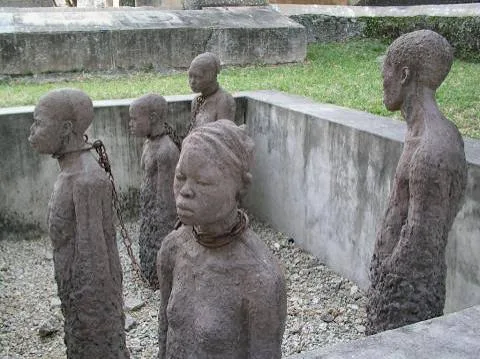
Visiting these places offers an opportunity to reflect on the human cost of slavery and understand how it influenced Zanzibar’s history. A visit to the former slave market is not simply another sightseeing activity, but it is an educational experience that encourages visitors to engage with the island’s past respectfully and thoughtfully. Getting to understand this history also provides a broader perspective on Zanzibar’s cultural identity. The island’s heritage is shaped by both remarkable cultural exchange and difficult historical events that continue to form part of its story.
Why Is Zanzibar Known as the Spice Island?
Have you ever wondered how Zanzibar got the name the Spice Island? The story goes back centuries, when spice trading became an important part of life on the island. Zanzibar became especially famous for its cloves, but other spices such as cinnamon, nutmeg, black pepper, cardamom and vanilla also helped build its reputation. Even today, these familiar aromas are part of what makes exploring Zanzibar so special.
Zanzibar earned its nickname, the Spice Island, through centuries of spice cultivation and trade. The island became particularly well known for cloves, although other spices such as cinnamon, nutmeg, black pepper, cardamom and vanilla have also contributed to its reputation. Spices played an important role in Zanzibar’s economy and attracted traders from different parts of the world. Over time, spice cultivation became closely connected to the island’s identity, shaping its agriculture, trade and culinary traditions. Today, one of the most exciting ways to explore Zanzibar’s spice heritage is through a guided spice tour. Step into a fragrant plantation where the air is filled with the scents of cinnamon, cloves, nutmeg and other tropical spices. As you walk among the plants, you can discover how these spices grow, touch and smell their leaves, taste fresh tropical fruits and learn how they are harvested and used in traditional Swahili cooking. It is a hands-on experience that brings Zanzibar’s reputation as the Spice Island to life, allowing you to connect with its history through sight, smell and taste.
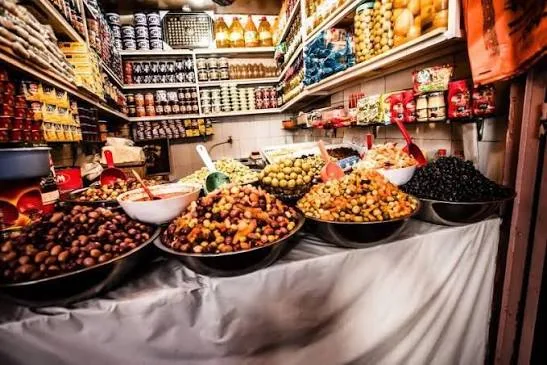
Today, one of the most exciting ways to explore Zanzibar’s spice heritage is through a guided spice tour. Step into a fragrant plantation where the air is filled with the scents of cinnamon, cloves, nutmeg and other tropical spices. As you walk among the plants, you can discover how these spices grow, touch and smell their leaves, taste fresh tropical fruits and learn how they are harvested and used in traditional Swahili cooking. It is a hands-on experience that brings Zanzibar’s reputation as the Spice Island to life, allowing you to connect with its history through sight, smell and taste. A spice tour in Zanzibar, can be a sensory experience where you may recognise cinnamon by its distinctive aroma, taste fresh tropical fruits or discover how cloves are harvested and prepared. With Samton Safaris,partnering with the local guides, can also explain the historical importance of spice production and its influence on Zanzibar’s development. Beyond the plantations, spices remain an important part of Swahili cuisine. They are used to flavour rice dishes, seafood, meat and traditional beverages, giving local food its distinctive character. For travellers interested in history, food and agriculture, a spice tour in Zanzibar with Samton Safaris offers a closer look at one of the traditions that helped shape Zanzibar’s identity.
What Are the Best Cultural Experiences to Include in a Zanzibar Holiday?
A visit to Zanzibar with Samton Safaris, is not complete without experiencing the culture that makes the island so special. Beyond its beautiful beaches, Zanzibar has a rich Swahili heritage that can be discovered through its historic streets, traditional music, local crafts and coastal traditions. One of the best places to begin is Stone Town, a UNESCO World Heritage Site where narrow winding streets, historic buildings and beautifully carved wooden doors tell stories of the island’s past. As you wander through the town, you will come across traditional shops, old landmarks and architectural details that reflect centuries of African, Arab, Indian and European influence.
But Zanzibar’s culture is not only found in its buildings; it is also expressed through music, craftsmanship and everyday life. Taarab, a traditional musical style influenced by African, Arab and Indian cultures, remains an important part of the island’s identity. Visitors may also discover traditional performances, local artwork and handmade souvenirs while exploring Stone Town’s shops. The island’s famous carved wooden doors are particularly fascinating, with their detailed designs showcasing the craftsmanship and artistic influences that have shaped Zanzibar’s architecture over generations. These small discoveries offer a closer look at the traditions that continue to give the island its distinctive character.
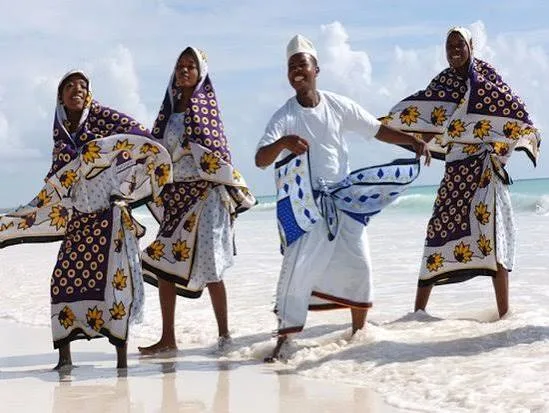
For a different cultural experience, consider taking a traditional dhow cruise along Zanzibar’s coastline. These wooden sailing vessels have been part of island life for generations, once serving as important means of transport for fishing and trade across the Indian Ocean. Today, a dhow trip allows visitors to appreciate this maritime heritage while enjoying views of the coastline from the water. Whether you are exploring Stone Town, listening to traditional music, admiring local craftsmanship or sailing aboard a dhow, these experiences reveal a side of Zanzibar that goes far beyond its beaches.
FAQs About Zanzibar's Culture and History
1. Why is Zanzibar famous for its culture and history?
Zanzibar is famous for its Swahili heritage, historic Stone Town, spice trade, traditional music, architecture and maritime history. Its culture reflects centuries of interaction between African, Arab, Persian, Indian and European communities.
2. Is Stone Town worth visiting during a Zanzibar holiday?
Yes. Stone Town offers a different experience from Zanzibar’s beach destinations. Visitors can explore historic streets, traditional architecture, local markets, museums and important historical landmarks.
3. Why is Zanzibar called the Spice Island?
Zanzibar is known as the Spice Island because of its long history of spice cultivation and trade, particularly cloves. Other spices grown on the island include cinnamon, nutmeg, black pepper and cardamom.
4. What cultural activities can visitors enjoy in Zanzibar?
Visitors can enjoy guided spice tours, Stone Town walking tours, traditional dhow cruises, local food experiences, market visits and cultural performances.
5. How many days should I spend exploring Zanzibar beyond the beaches?
The time needed depends on the experiences you want to include. A few days can allow visitors to explore Stone Town, visit a spice plantation, discover local markets and enjoy traditional food while still leaving time to relax along the coast.
Zanzibar offers much more than beautiful beaches and clear turquoise waters. Its historic streets, spice plantations, traditional cuisine and cultural heritage give visitors plenty of reasons to explore beyond the coastline. Whether you are interested in the history of Stone Town, the island’s spice-growing traditions or its local food and markets, these experiences provide a deeper understanding of what makes Zanzibar special. With Samton Safaris, you can include cultural and historical experiences in your Zanzibar holiday and discover another side of the island.
Photo Gallery


ZanzibarStone TownCultureHistorySpicesSwahili HeritageHistorical SitesTanzania
Written by
Admin
A member of the Samton Safaris team, with deep expertise in East African safaris across Kenya, Tanzania, Uganda and Rwanda. Dedicated to helping travellers discover the magic of Africa.
Continue Reading

Destinations2 min read
3 April 2026Samton Safaris
Top 10 Must-See Destinations on a Kenya Safari
From the Mara to Ol Pejeta, here are the Kenya safari spots we love most — with practical tips, lodges, and insider advice.
Read Article
Destinations2 min read
13 March 2026Samton Safaris
Masai Mara vs Amboseli vs Tsavo: Choosing the Right Kenya Safari Park
Choose the best Kenya safari park for Great Migration, Kilimanjaro views, or red elephants with Samton Safaris.
Read Article
Destinations2 min read
13 March 2026Samton Safaris
Kenya vs Tanzania Safari: Which One Should You Choose?
Choose between Kenya and Tanzania with expert advice on wildlife, migration timing, costs, crowds, and the best East Africa safari fit.
Read ArticleReady to Experience This?
Let our experts plan your perfect safari across Kenya, Tanzania, Uganda and Rwanda.
Start Planning